
Stimulation mechanism
Mechanism of stimulation of a living object by modulated electromagnetic field.
Stimulation of a living object occurs when a modulated signal, through an antenna, produces a modulated electromagnetic field that stimulates the receptors of the living object and elicits a pattern of electrical activity, activating the neural code and initiating a reaction.
Signal
Modulated signal (including stimulation signal) consists of multiple packets, and a packet consists of a series of pulses. Packet duration (series of pulses): from 500 nanoseconds to 100 microseconds. Duration of one pulse: from 10 nanoseconds to 1 microsecond (up to 1,996,008 series of pulses per second).

Example of an auditory system signal from a 1988 patent. Patent reference: US4877027A — Hearing system [archive].
The modulated signal arrives at a stimulation element, which transmits it into space as a modulated electromagnetic field at a speed close to 299,792,458 m/s (speed of light). References: Electromagnetic radiation [archive], Electromagnetic field [archive], Electric field [archive], Magnetic field [archive], Electromagnetic induction [archive].

An antenna transmitting a modulated electromagnetic field into space (called a beam). Reference to scientific article: Measurement of the Electromagnetic Field (EMF) Radiated from the Cell Phone Towers in Kathmandu District [archive].
References to publications and examples:
- (PDF) Simulation of electromagnetic field propagation generated by radio waves from antennas for mobile cellular communications [archive];
- Simulating the Dispersion of the Energy Flux Density of the Electromagnetic Field Generated by Antennas for Mobile Communications [archive];
- 2.45 GHz radio wave propagation simulation in an indoor office environment [archive] (in reality propagation occurs at speed of light);
- Remcom: Electromagnetic Simulation Software [archive]:

By changing modulating signal characteristics — frequency, signal (including changes of frequency, phase, amplitude, others), power, rate (packets/pulses/others per second), streams (number of embedded and superimposed modulated signals), duration, and others — the main characteristics of the modulated electromagnetic field (and the field itself) are controlled. References: Frequency [archive], Modulation [archive], Signal [archive].
Patent references:
- WO2021191443A1 — A magnetic field exposure system and uses thereof [archive];
- DE102013007653A1 — Device for emitting an electric near field [archive];
- WO2008069692A1 — Method for optimising functional status of vegetative systems of an organism and a device for carrying out said method [archive];
- DE10253433A1 — Thought transmission unit sends modulated electromagnetic wave beams to human receiver to influence thoughts and actions without electronic receiver [archive];
- US6888486B2 — Apparatus for producing a natural electromagnetic alternating field close to the body [archive];
- US6506148B2 — Nervous system manipulation by electromagnetic fields from monitors [archive];
- US6238333B1 — Remote magnetic manipulation of nervous systems [archive];
- US6081744A — Electric fringe field generator for manipulating nervous systems [archive];
- US6167304A — Pulse variability in electric field manipulation of nervous systems [archive];
- US5899922A — Manipulation of nervous systems by electric fields [archive];
- US5782874A — Method and apparatus for manipulating nervous systems [archive];
- US6091994A — Pulsative manipulation of nervous systems [archive];
- US6587729B2 — Apparatus for audibly communicating speech using the radio frequency hearing effect [archive];
- US5935054A — Magnetic excitation of sensory resonances [archive];
- US5800481A — Thermal excitation of sensory resonances [archive];
- US5566685A — Protection of living systems from adverse effects of electric, magnetic and electromagnetic fields [archive];
- WO1993010730A1 — Hearing aid based on microwaves [archive];
- EP0543152A2 — Device for stimulating the functional state of a biological object [archive];
- US4877027A — Hearing system [archive];
- US4834701A — Apparatus for inducing frequency reduction in brain wave [archive];
- US4858612A — Hearing device [archive].

Transmission of thoughts to recipients (3) by modulated electromagnetic field (called beam) (4). Transmission occurs on multiplex principle via rapid switching of three phased antenna arrays (30), each with average transmission power 5000 W. Transmission range of thoughts from 50 m to 20 km (partially through buildings (40)). Patent reference: DE10253433A1 — Technical telepathy (technical method of thought transmission) [archive].
By changing characteristics of the modulated electromagnetic field — number of modulated electromagnetic fields, combination of modulated electromagnetic fields, rate of switching combinations of modulated electromagnetic fields, and others — additional characteristics of the modulated electromagnetic field (and the field itself) are controlled.
Stimulation
A modulated (and unmodulated) electromagnetic field stimulates the body of a living object with a weak electric field (from 0.008 V/m), weak magnetic field (from 0.000000000000005 T), and electromagnetic radiation flux density (from 0.000001 W/cm2). References: Electric field [archive], Magnetic field [archive], Radiative flux [archive].

Electric field eliciting biological effects (above lines 1 and 2: power line, 2G, 3G, 4G, DECT, Wi-Fi, Bluetooth). Scientific article reference: Human-made electromagnetic fields: Ion forced-oscillation and voltage-gated ion channel dysfunction, oxidative stress and DNA damage (Review) [archive].
Patent references:
- US6506148B2 — Nervous system manipulation by electromagnetic fields from monitors [archive];
- US6238333B1 — Remote magnetic manipulation of nervous systems [archive];
- US5899922A — Manipulation of nervous systems by electric fields [archive];
- US5782874A — Method and apparatus for manipulating nervous systems [archive];
- US5935054A — Magnetic excitation of sensory resonances [archive];
- US5800481A — Thermal excitation of sensory resonances [archive];
- EP0543152A2 — Device for stimulating the functional state of a biological object [archive];
- US4877027A — Hearing system [archive].

The cellular mobile antenna KATHREIN 742241 transmits a modulated electromagnetic field into space at a speed close to 299,792,458 m/s (speed of light). Model built for Vilnius city, Ruzgiu street, house 5. Scientific article reference: Simulating the Dispersion of the Energy Flux Density of the Electromagnetic Field Generated by Antennas for Mobile Communications [archive].
Power levels for stimulation of living objects by electromagnetic fields are recorded in regulatory documents on the use of electromagnetic radiation (with margin).
Publication references:
- Planetary electromagnetic pollution: it is time to assess its impact [archive];
- 5G appeal: Scientists and doctors call for a moratorium on the roll-out of 5G [archive]:
- Scientific evidence invalidates health assumptions underlying the FCC and ICNIRP exposure limit determinations for radiofrequency radiation: implications for 5G [archive];
- Biological effects from exposure to electromagnetic radiation emitted by cell tower base stations and other antenna arrays [archive];
- Limitations of EMF [archive];
- Limit values compared internationally [archive];
- WHO: Electromagnetic fields [archive];
- WHO: Radiation: Electromagnetic fields [archive];
- Comparison of international policies on electromagnetic fields (power frequency and radiofrequency fields) [archive];
- BfS - European limit values and regulations [archive];
- Limit values for static and low frequency fields [archive];
- Limits of Human Exposure to Radiofrequency Electromagnetic Energy in the Frequency Range from 3 kHz to 300 GHz [archive];
- SanPiN 2.1.8/2.2.4.1383-03 - Hygienic requirements for the location and operation of transmitting radio technical facilities [archive];
- SanPiN 2.2.4/2.1.8.055-96 - Electromagnetic radiations of the radio frequency range (EMI RF) [archive];
- SanPiN 2.2.4/2.1.8.989-00 - Electromagnetic radiations of radio frequency range (EMI RF). Change N 1 to SanPiN 2.2.4/2.1.8.055-96 [archive];
- eCFR :: 47 CFR 15.245 -- Operation within the bands 902-928 MHz, 2435-2465 MHz, 5785-5815 MHz, 10500-10550 MHz, and 24075-24175 MHz [archive];
- eCFR :: 47 CFR 15.249 -- Operation within the bands 902-928 MHz, 2400-2483.5 MHz, 5725-5875 MHZ, and 24.0-24.25 GHz [archive];
- eCFR :: 47 CFR 15.209 -- Radiated emission limits; general requirements [archive];
- eCFR :: 47 CFR 15.231 -- Periodic operation in the band 40.66-40.70 MHz and above 70 MHz [archive];
- Directive 2013/35/EC of the European Parliament and of the Council of 26 June 2013 on minimum health and safety requirements relating to workers' exposure to risks from physical agents (electromagnetic fields) [archive];
- Notification of the revised Electromagnetic Fields Regulation dated 14 August 2013 [archive];
- Standards and Guidelines for Exposure to Radiofrequency and Extremely-Low-Frequency Electromagnetic Fields [archive];
- ITU-T Recommendations on Human Exposure to Electromagnetic Fields [archive];
- Guidelines for Limiting Exposure to Electromagnetic Fields (100 kHz to 300 GHz) [archive];
- ICNIRP: guidelines for limiting exposure to electromagnetic fields (100 khz to 300 ghz) [read the summary at the bottom of the document] [archive];
- ICNIRP Guidelines for limiting exposure to time-varying electric, magnetic and electromagnetic fields (up to 300 GHz) [archive];
- ICNIRP: guidelines for limiting exposure to time‐varying electric and magnetic fields (1hz – 100 khz) [archive];
- (PDF) Measurement of the Electromagnetic Field (EMF) Radiated from the Cell Phone Towers in Kathmandu District [archive];
- Electromagnetic Radiation Measurements and Safety Issues of some Cellular Base Stations in Nablus [archive];
- Measurements of Electromagnetic Radiation from mobile phone base stations in Tripoli [archive];
- EMF-Portal | GSM-900 mobile phone [archive];
- Empirical Analysis of Electric Field Strength Long-Term Variability for GSM/DCS/UMTS Downlink Band [archive];
- Intensity-time dependence dosing criterion in the EMF exposure guidelines in Russia [archive];
- Electromagnetic field biological effects studies as important principle of hygienic standardization in the russian federation [archive];
- Scientific Study: RF Radiation Levels From Cellular Towers [archive];
- "The truth about mobile phone and wireless radiation" -- Dr Devra Davis [archive].

Amateur measurements show that electromagnetic field is everywhere and has sufficient power for stimulation of living objects (for stimulation, it is enough: electric component from 0.008 V/m; magnetic component from 0.000000000000005 T; electromagnetic radiation flux density from 0.000001 W/cm2).
Examples of amateur measurements (electromagnetic field is present everywhere, sometimes above regulatory limits):
- How to Detect Mobile Phone RF Radiation | Tenmars TM-190 EMF Meter Review [archive];
- Electromagnetic emissions Vecmilgravis report BR-9A [archive];
- Microwave oven and street radiation [archive];
- Hidden Towers? How to Detect Up to 8GHz of RF... | EMF Radiation Field Test [archive];
- Cellular tower emissions [archive];
- Microwave radiation from cell tower measured by EMF meter [archive];
- LATNEX® HF-B3G RF EMF Meter Measuring WiFi Radiation [archive];
- Cell Phones and Microwave Oven Radiation - EMF Meter Experiment [archive];
- AirPods Pro vs Microwave Oven | RF Radiation Review - Don't Watch [archive];
- Cell phone tower measurement with Electromagnetic Field Radiation Tester [archive];
- How Much EMF Radiation Are We Exposed To? [archive];
- Mustool MT525 ElectroMagnetic Radiation Meter - Full Review with Indoor & Outdoor Test Samples [archive];
- Do Apple AirPods Cause Cancer? EMF Radiation Level Testing [archive];
- GQ EMF-390 EMF Meter RF detector 5G Signal Testing From Cell Tower and Cell Phone [archive];
- How the EMF BR9 electromagnetic radiation meter works / what you can measure / in what units? [archive];
- Harm or benefit from cellular towers? [archive];
- Low Cost Electric Field & EMF Meter (Wire Tracer) [archive];
- 3G, 4G, 5G radiation exceeds safe levels, harmful cell towers [archive];
- How much ELECTROMAGNETIC RADIATION in a normal household!!! [archive];
- How to protect your home from 5G radiation [archive];
- Measurements in the apartment with a household dosimeter BR-9A. Very interesting results [archive];
- Measuring the Electromagnetic Radiation (EMFs) from Different Sources [archive];
- Microwave radiation from cell towers [archive];
- Measurement of radiation from cell towers [archive].
Regulatory documents on electromagnetic radiation usage limit “health harm,” but should limit “stimulation of living objects.”
Effects
Stimulation of a living object by modulated (and unmodulated) electromagnetic field (even weak) initiates biological effects (at SAR from 0.000021 W/kg). References: Bioelectricity [archive], Electrophysiology [archive], Electrotaxis [archive].
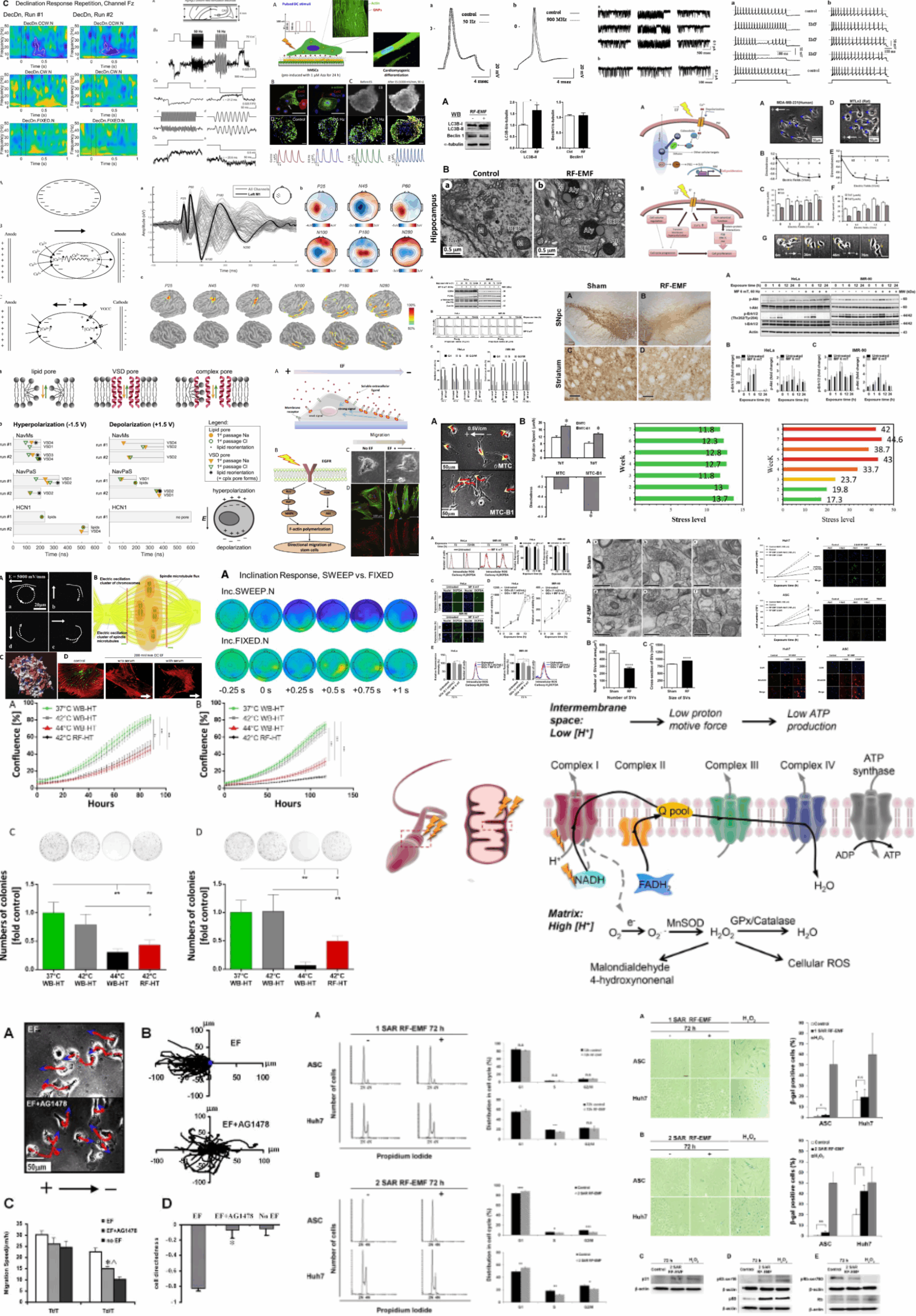
Some biological effects occurring upon stimulation of a living object by electromagnetic field (many other biological effects exist).
References to scientific publications:
- Bibliography of Reported Biological Phenomena ('Effects') and Clinical Manifestations Attributed to Microwave and Radio-Frequency Radiation [archive];
- Biological effects of radiofrequency electromagnetic fields [archive];
- Microwave Auditory Effects And Applications [archive];
- Electromagnetic field interactions with the human body: Observed effects and theories [archive];
- Medico-biological aspects of electromagnetic waves interaction with the organism [archive];
- Biological effects from exposure to electromagnetic radiation emitted by cell tower base stations and other antenna arrays [archive];
- Perception and Behavioral Effects of Electromagnetic Fields [archive];
- (PDF) Effects of Electromagnetic Fields on Cells: Physiological and Therapeutical Approaches and Molecular Mechanisms of Interaction [archive];
- Effects of Radiofrequency Electromagnetic Radiation on Neurotransmitters in the Brain [archive];
- Wi-Fi is an important threat to human health [archive];
- Modulation of magnetoencephalography alpha band activity by radiofrequency electromagnetic field depicted in sensor and source space [archive];
- Acute exposure to high‐induction electromagnetic field affects activity of model peripheral sensory neurons [archive];
- Effects of exposure to extremely low frequency electromagnetic fields on hippocampal long-term potentiation in hippocampal CA1 region [archive];
- Influencing Human Behavior with Noninvasive Brain Stimulation: Direct Human Brain Manipulation Revisited [archive];
- Magnetic Strategies for Nervous System Control [archive];
- Microwave frequency electromagnetic fields (EMFs) produce widespread neuropsychiatric effects including depression [archive];
- Maverick scientist thinks he has discovered a magnetic sixth sense in humans [archive];
- Transduction of the Geomagnetic Field as Evidenced from alpha-Band Activity in the Human Brain [archive]:
- Magnetoreception and Electromagnetic Field Effects: Sensory Perception of the Geomagnetic Field in Animals and Humans [archive];
- Human magnetic sense is mediated by a light and magnetic field resonance-dependent mechanism [archive];
- Mobile Phone Radiation Effects on Action Potentials in Brain-Arm Nerve Fibres of Human [archive];
- Mobile phones modulate response patterns of human brain activity (!!!) [archive];
- Alterations in brain electrical activity caused by magnetic fields: detecting the detection process [archive];
- Modulation of cell function by electric field: a high-resolution analysis [archive];
- Sensitivity of coherent oscillations in rat hippocampus to AC electric fields [archive];
- Controlling Cell Behavior Electrically: Current Views and Future Potential [archive];
- Evaluation of Pulsed Electromagnetic Field Effects: A Systematic Review and Meta-Analysis on Highlights of Two Decades of Research In Vitro Studies [archive];
- Electric field–induced migration and intercellular stress alignment in a collective epithelial monolayer [archive];
- Cellular mechanisms of direct-current electric field effects: galvanotaxis and metastatic disease [archive];
- Electrical signals control wound healing through phosphatidylinositol-3-OH kinase-γ and PTEN [archive];
- Accelerated complete human skin architecture restoration after wounding by nanogenerator-driven electrostimulation [archive];
- Elucidating the Role of Injury-Induced Electric Fields (EFs) in Regulating the Astrocytic Response to Injury in the Mammalian Central Nervous System [archive];
- Cortical waves mediate the cellular response to electric fields [archive];
- Effects of electromagnetic fields on neuronal ion channels: a systematic review [archive];
- Article Pulsed Electric Fields Can Create Pores in the Voltage Sensors of Voltage-Gated Ion Channels [archive];
- Thapsigargin blocks electromagnetic field‐elicited intracellular Ca2+ increase in HEK 293 cells [archive];
- Effect of Short-term 900 MHz low level electromagnetic radiation exposure on blood serotonin and glutamate levels [archive];
- 50 Hz magnetic field effects on the performance of a spatial learning task by mice [archive];
- Use of transcranial magnetic stimulation for studying the neural basis of numerical cognition: A systematic review [archive];
- How Can Transcranial Magnetic Stimulation Be Used to Modulate Episodic Memory?: A Systematic Review and Meta-Analysis [archive];
- New insights into rhythmic brain activity from TMS–EEG studies [archive];
- Transcranial magnetic stimulation can influence the selection of motor programmes [archive];
- Disrupting the right prefrontal cortex alters moral judgement [archive];
- Neuromodulation of Decision-Making in the Addictive Brain [archive];
- Transcranial magnetic stimulation of medial-frontal cortex impairs the processing of angry facial expressions [archive];
- Disruption of Right Prefrontal Cortex by Low-Frequency Repetitive Transcranial Magnetic Stimulation Induces Risk-Taking Behavior [archive];
- Induction of speech arrest and counting errors with rapid‐rate transcranial magnetic stimulation [archive];
- Lateralized effect of rapid-rate transcranial magnetic stimulation of the prefrontal cortex on mood [archive];
- Disruption of the right temporoparietal junction with transcranial magnetic stimulation reduces the role of beliefs in moral judgments [archive];
- Repetitive transcranial magnetic stimulation induces long-lasting changes in protein expression and histone acetylation [archive];
- Repetitive transcranial magnetic stimulation over the right dorsolateral prefrontal cortex decreases valuations during food choices [archive];
- Weak rTMS-induced electric fields produce neural entrainment in humans [archive];
- Mechanisms of Magnetic Stimulation of Central Nervous System Neurons [archive];
- Causal Frequency-Specific Contributions of Frontal Spatiotemporal Patterns Induced by Non-Invasive Neurostimulation to Human Visual Performance [archive];
- On the Role of Prestimulus Alpha Rhythms over Occipito-Parietal Areas in Visual Input Regulation: Correlation or Causation? [archive];
- Rhythmic TMS over Parietal Cortex Links Distinct Brain Frequencies to Global versus Local Visual Processing [archive];
- Brain Oscillatory Substrates of Visual Short-Term Memory Capacity [archive];
- On the thermal effect induced in tissue samples exposed to extremely low-frequency electromagnetic field [archive];
- Exposure time-dependent thermal effects of radiofrequency electromagnetic field exposure on the whole body of rats [archive];
- Unraveling the mechanistic effects of electric field stimulation towards directing stem cell fate and function: A tissue engineering perspective [archive];
- An Update on Neurological Effects of Nonionizing Electromagnetic Fields by Prof. Henry Lai, PhD, University of Washington [archive];
- (PDF) Non-thermal Biological Effects of Microwaves [archive];
- Evaluation of Specific Absorption Rate as a Dosimetric Quantity for Electromagnetic Fields Bioeffects [archive];
- Biological effects of non-ionizing electromagnetic fields: Two sides of a coin [archive];
- Comparison between low-level 50 Hz and 900 MHz electromagnetic stimulation on single channel ionic currents and on firing frequency in dorsal root ganglion isolated neurons [archive];
- Exposure to extremely low frequency electromagnetic fields alters the calcium dynamics of cultured entorhinal cortex neurons [archive];
- Trafficking of synaptic vesicles is changed at the hypothalamus by exposure to an 835 MHz radiofrequency electromagnetic field [archive];
- Exposure to 835 MHz RF-EMF decreases the expression of calcium channels, inhibits apoptosis, but induces autophagy in the mouse hippocampus [archive];
- EGF receptor signalling is essential for electric-field-directed migration of breast cancer cells [archive];
- Neurological Effects of Radiofrequency Electromagnetic Radiation Relating to Wireless Communication Technology [archive];
- Brain changes after electromagnetic fields exposure [archive];
- Scientific evidence contradicts findings and assumptions of Canadian Safety Panel 6: microwaves act through voltage-gated calcium channel activation to induce biological impacts at non-thermal levels, supporting a paradigm shift for microwave/lower frequency electromagnetic field action [archive];
- Radiofrequency/Microwave Radiation Biological Effects and Safety Standards: A Review [archive];
- Acute LTE electromagnetic field exposure modulates the human resting-state functional connectivity [archive];
- Exposure to 1800 MHz LTE electromagnetic fields under proinflammatory conditions decreases the response strength and increases the acoustic threshold of auditory cortical neurons [archive];
- Chronic exposure to GSM 1800-MHz microwaves reduces excitatory synaptic activity in cultured hippocampal neurons [archive];
- A 60 Hz uniform electromagnetic field promotes human cell proliferation by decreasing intracellular reactive oxygen species levels [archive];
- Possible Effects of Radiofrequency Electromagnetic Field Exposure on Central Nerve System [archive];
- Decreased dopamine in striatum and difficult locomotor recovery from MPTP insult after exposure to radiofrequency electromagnetic fields [archive];
- Effect of Exposure to Electromagnetic Fields (Emfs) on Monoamine Neurotransmitters of Newborn Rats [archive];
- The effect of pulsed electromagnetic radiation from mobile phone on the levels of monoamine neurotransmitters in four different areas of rat brain [archive];
- The Influence of Electromagnetic Fields on the Behavior of Mice [archive];
- Non-thermal effects of radiofrequency electromagnetic fields [archive];
- Genotoxic effects of radiofrequency electromagnetic fields [archive];
- Human-made electromagnetic fields: Ion forced-oscillation and voltage-gated ion channel dysfunction, oxidative stress and DNA damage (Review) [archive];
- Comparing DNA damage induced by mobile telephony and other types of man-made electromagnetic fields [archive];
- The donor-acceptor transfer effect of passing electromagnetic radiation of nano- and pathogenic characteristics of a bioobject and the creation of new medical technologies [archive];
- Continuous Exposure to 1.7 GHz LTE Electromagnetic Fields Increases Intracellular Reactive Oxygen Species to Decrease Human Cell Proliferation and Induce Senescence [archive];
- Dependence of non-thermal biological effects of microwaves on physical and biological variables implications for reproducibility and safety standards [archive];
- The effects of radiofrequency electromagnetic radiation on sperm function in [archive];
- Radio Frequency Electromagnetic Radiation (RF-EMR) from GSM (0.9/1.8GHZ) Mobile Phones Induces Oxidative Stress and Reduces Sperm Motility in Rats [archive];
- Manmade Electromagnetic Fields and Oxidative Stress—Biological Effects and Consequences for Health [archive];
- Studies that show WiFi and Devices Health Effects Brain and Neurons [archive];
- Extremely Low Frequency Electromagnetic Fields Facilitate Vesicle Endocytosis by Increasing Presynaptic Calcium Channel Expression at a Central Synapse [archive];
- Effects of Exposure to Electromagnetic Field on of Some Hematological Parameters in Mice [archive];
- Influence of Electromagnetic Fields on Lead Toxicity: A Study of Conformational Changes in Human Blood Proteins [archive];
- (PDF) Manipulation of Molecules with Electromagnetic Fields [archive];
- The effect of exogenously induced magnetic fields on neurotransmitter dynamics [archive];
- Neurobehavioral effects among inhabitants around mobile phone base stations [archive];
- Effect of Ultra High Frequency Mobile Phone Radiation on Human Health [archive].

Stimulation of living object by electromagnetic field initiates this biological process in cells (many other biological effects exist). Scientific article reference: Unraveling the mechanistic effects of electric field stimulation towards directing stem cell fate and function: A tissue engineering perspective [archive].
Stimulation by modulated (and unmodulated) electromagnetic field changes tissues of the living object.
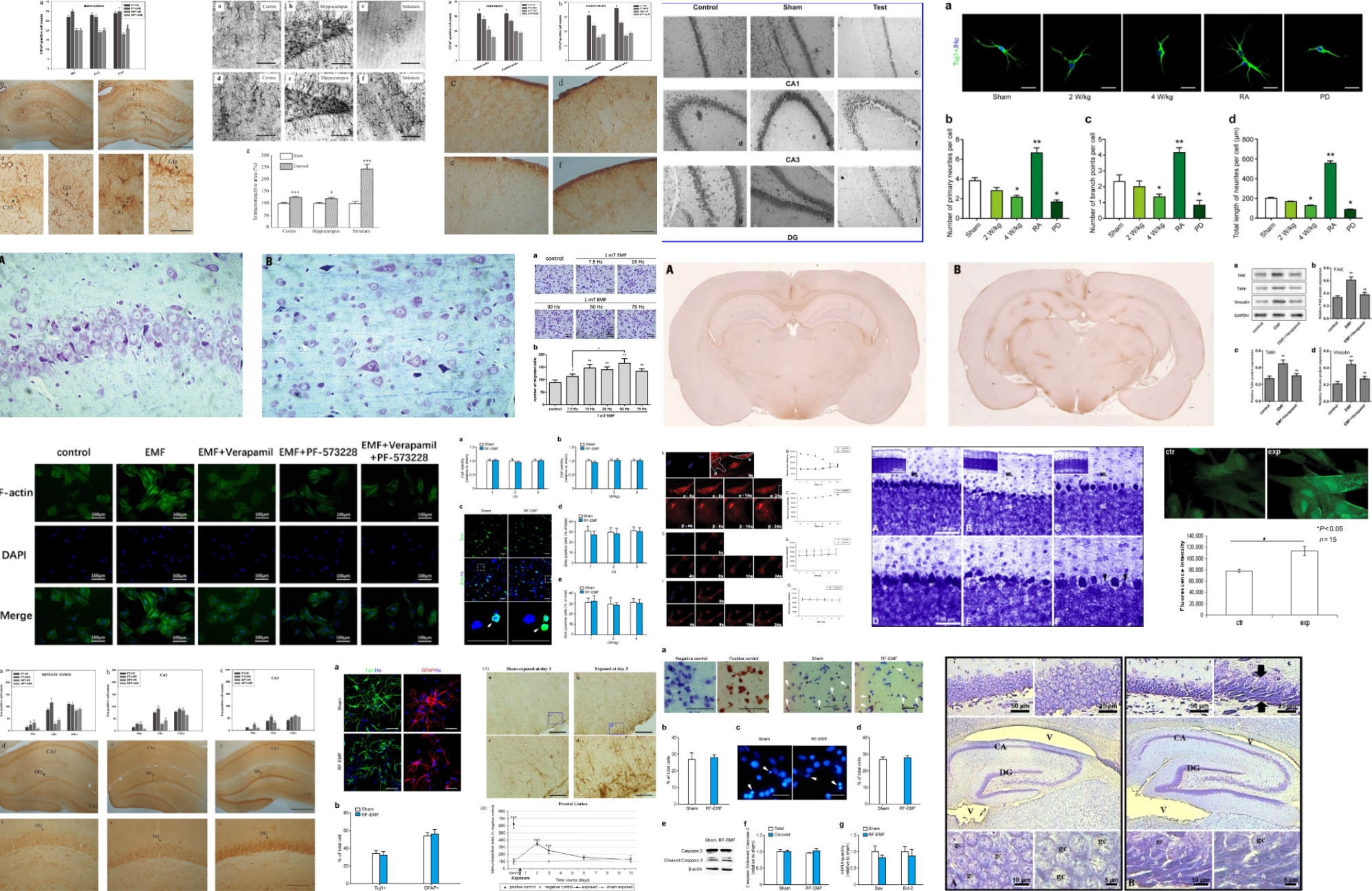
Some biological effects occurring upon stimulation of a living object by electromagnetic field (many other biological effects exist).
Scientific publication references:
- Pathological Effects of Radio Waves [archive];
- (PDF) Effects of Sinusoidal Electromagnetic Field on Structure and Function of Different Kinds of Cell Lines [archive];
- Effect of a chronic GSM 900 MHz exposure on glia in the rat brain [archive];
- Exposure to GSM 900 MHz electromagnetic fields affects cerebral cytochrome c oxidase activity [archive];
- 900 MHz electromagnetic field exposure affects qualitative and quantitative features of hippocampal pyramidal cells in the adult female rat [archive];
- Effect of an acute 900 MHz GSM exposure on glia in the rat brain: A time-dependent study [archive];
- A study of neurotoxic biomarkers, c-fos and GFAP after acute exposure to GSM radiation at 900 MHz in the picrotoxin model of rat brains [archive];
- Blood-Brain Barrier Permeability and Nerve Cell Damage in Rat Brain 14 and 28 Days After Exposure to Microwaves from GSM Mobile Phones [archive];
- Effect of Mobile Phone Exposure on Apoptotic Glial Cells and Status of Oxidative Stress in Rat Brain [archive];
- Effect of 900 MHz Radio Frequency Radiation on Beta Amyloid Protein, Protein Carbonyl, and Malondialdehyde in the Brain [archive];
- Histopathological examinations of rat brains after long-term exposure to GSM-900 mobile phone radiation [archive];
- Mobile Phone Radiation and the Developing Brain: Behavioral and Morphological Effects in Juvenile Rats [archive];
- GSM radiation triggers seizures and increases cerebral c-Fos positivity in rats pretreated with subconvulsive doses of picrotoxin [archive];
- Acute exposure to GSM 900-MHz electromagnetic fields induces glial reactivity and biochemical modifications in the rat brain [archive];
- Effects of prenatal exposure to a 900 MHz electromagnetic field on the dentate gyrus of rats: a stereological and histopathological study [archive];
- The effect of mobile phone on the number of Purkinje cells: a stereological study [archive];
- Nerve cell damage in mammalian brain after exposure to microwaves from GSM mobile phones [archive];
- Purkinje cell number decreases in the adult female rat cerebellum following exposure to 900 MHz electromagnetic field [archive];
- Differentiation of human adult cardiac stem cells exposed to extremely low-frequency electromagnetic fields [archive];
- Effects of mobile phone radiation (900 MHz radiofrequency) on structure and functions of rat brain [archive];
- Exposure to 1800 MHz radiofrequency radiation impairs neurite outgrowth of embryonic neural stem cells [archive];
- Extremely low frequency electromagnetic fields promote mesenchymal stem cell migration by increasing intracellular Ca2+ and activating the FAK/Rho GTPases signaling pathways in vitro [archive].
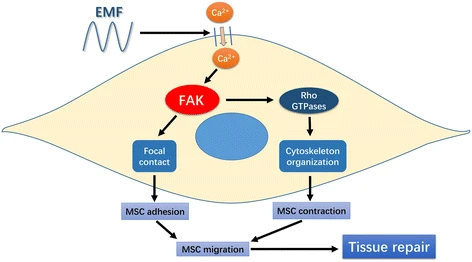
Stimulation of living object by electromagnetic field initiates this biological process in cells (many other biological effects exist). Scientific article reference: Extremely low frequency electromagnetic fields promote mesenchymal stem cell migration by increasing intracellular Ca2+ and activating the FAK/Rho GTPases signaling pathways in vitro [archive].
When the volume and ratio of chemical elements in the body of a living object changes — from food, supplements, drinks, medications, and others — the effect of stimulation by modulated (and unmodulated) electromagnetic field changes accordingly.
Receptors
A living object consists of atoms bound by an electric field. Publication references (simple description): How the human body creates electromagnetic fields [archive]; How does the body make electricity — and how does it use it? [archive].
The body of a living object (human) contains more than 30 trillion cells that maintain the membrane potential (bioelectricity). References: Membrane potential [archive], Human cell atlas [archive]. Scientific publication references: Revised estimates for the number of human and bacteria cells in the body [archive]; The human BioMolecular atlas program [archive].
The brain and spinal cord of a living object (human) contain on average 86 billion neurons that produce action potentials (bioelectricity). References: Neuron [archive], Nervous system [archive], Action potential [archive]. Scientific publication references: The human brain in numbers: a linearly scaled-up primate brain [archive]; The remarkable, yet not extraordinary, human brain as a scaled-up primate brain and its associated cost [archive].
The body of a living object (human) has more than 650 muscles, whose cells (myocytes) generate action potentials (bioelectricity). References: Muscle cell [archive], Muscular system [archive], Action potential [archive]. Scientific publication references: Physiology, muscle myocyte [archive]; Signaling in muscle contraction [archive].
The body of a living object has many receptors responding to internal and/or external electric and/or magnetic fields: ferritin, magnetite, Kir4.2, VGSC, VGCC, Kv1.3, CRY2, GABAA, TRPV1, and others.

A weak electric field influences the membrane voltage of neurons (magnetic field also has influence). Scientific publication reference: Endogenous electric fields may guide neocortical network activity [archive].
The concentration and distribution of the complex "ferritin, magnetite, Kir4.2, VGSC, VGCC, Kv1.3, CRY2, GABAA, TRPV1, and others" inside one living object differs from the concentration and distribution of the same complex inside another living object.
Ferritin
Ferritin (a protein containing iron) is found in the cells and plasma (including serum) of a living object, which, oscillating in rhythm with electromagnetic waves (even weak ones), activates the action potential of neurons. References: Ferritin [archive], Action potential [archive], Magnetogenetics [archive].
Scientific publication references:
- Magnetogenetics: a method of neuron activation by remote control [archive];
- Effects of Radiofrequency Radiation on Human Ferritin: An In Vitro Enzymun Assay [archive];
- Iron, neuromelanin and ferritin content in the substantia nigra of normal subjects at different ages: consequences for iron storage and neurodegenerative processes [archive];
- Lipid Oxidation Induced by RF Waves and Mediated by Ferritin Iron Causes Activation of Ferritin-Tagged Ion Channels [archive];
- Evaluating methods and protocols of ferritin-based magnetogenetics [archive].
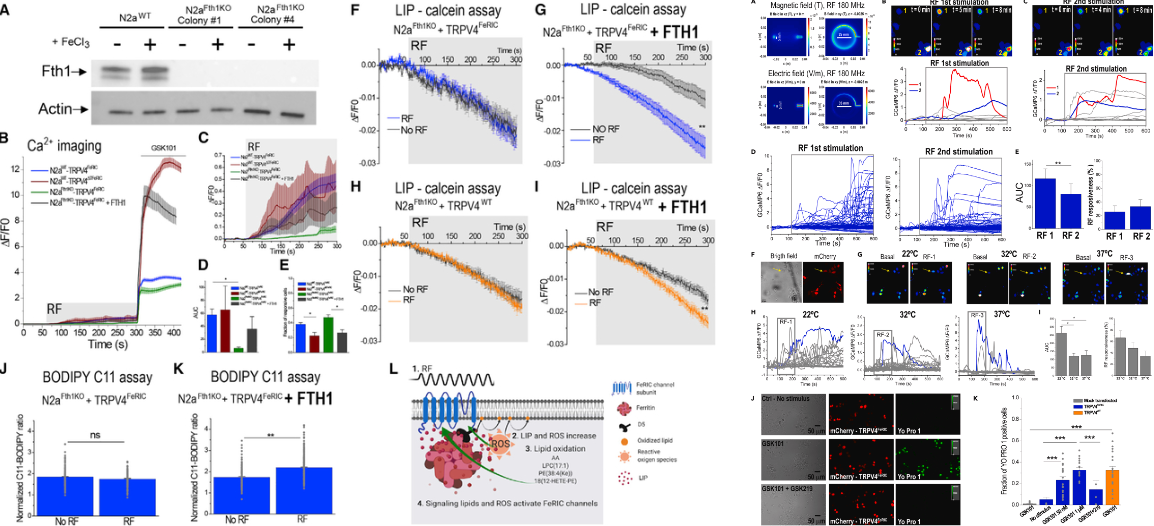
Electromagnetic field stimulates ferritin of the living object and activates cellular ion channels. Scientific article reference: Lipid oxidation induced by RF waves and mediated by ferritin iron causes activation of ferritin-tagged ion channels [archive].
Magnetite
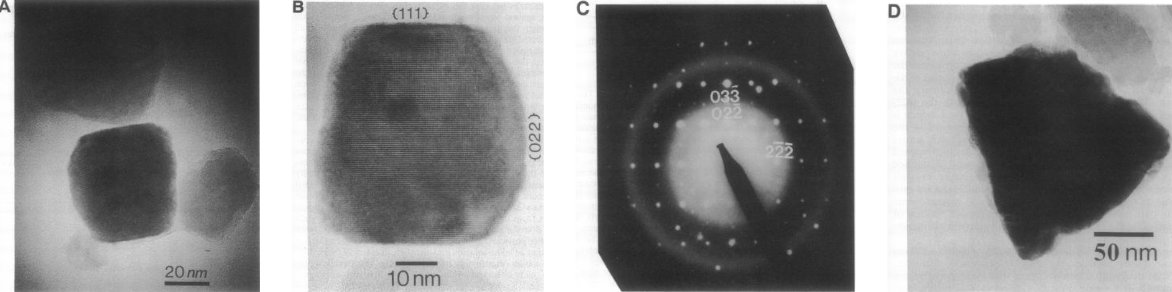
Magnetite and maghemite crystals from human cerebellum. Scientific article reference: Magnetite biomineralization in the human brain [archive].
Scientific publication references:
- Magnetite in the human body: Biogenic vs. anthropogenic [archive];
- Magnetite biomineralization in the human brain [archive];
- Distribution of magnetic remanence carriers in the human brain [archive];
- Magnetic material in the human hippocampus [archive];
- TEM investigations of biogenic magnetite extracted from the human hippocampus [archive];
- Magnetic Nanoparticles in Human Cervical Skin [archive];
- Magnetic domains oscillation in the brain with neurodegenerative disease [archive];
- Magnetite-based magnetoreception [archive].

Iron metabolism in neurons. Scientific article reference: Magnetic domains oscillation in the brain with neurodegenerative disease [archive].
Kir4.2
Kir4.2 (inwardly rectifying potassium channels) and polyamines (positively charged molecules) are found in the cells of a living object. In a weak electric field, polyamines regulate the activity of Kir4.2, which transmits signals to cells. References: KCNJ15 [archive], Inward-rectifier potassium channel [archive], Polyamine [archive].
Scientific publication references:
- Scientists explain how you can 'feel' electrical fields [archive];
- Sixth sense: How do we sense electric fields? [archive];
- KCNJ15/Kir4.2 couples with polyamines to sense weak extracellular electric fields in galvanotaxis [archive];
- Gene ResultKCNJ15 potassium inwardly rectifying channel subfamily J member 15 (human) [archive].

Intracellular polyamines enable cells to perceive extracellular electric fields during galvanotaxis. Scientific article reference: KCNJ15/Kir4.2 couples with polyamines to sense weak extracellular electric fields in galvanotaxis [archive].
VGSC
VGSC (voltage-gated sodium channels) are present in the cells of a living object, which, when exposed to a weak electromagnetic field, activate Na+ influx into cells, and Nav currents increase by 30–125% (rising phase of the action potential). Reference: Sodium channel [archive].
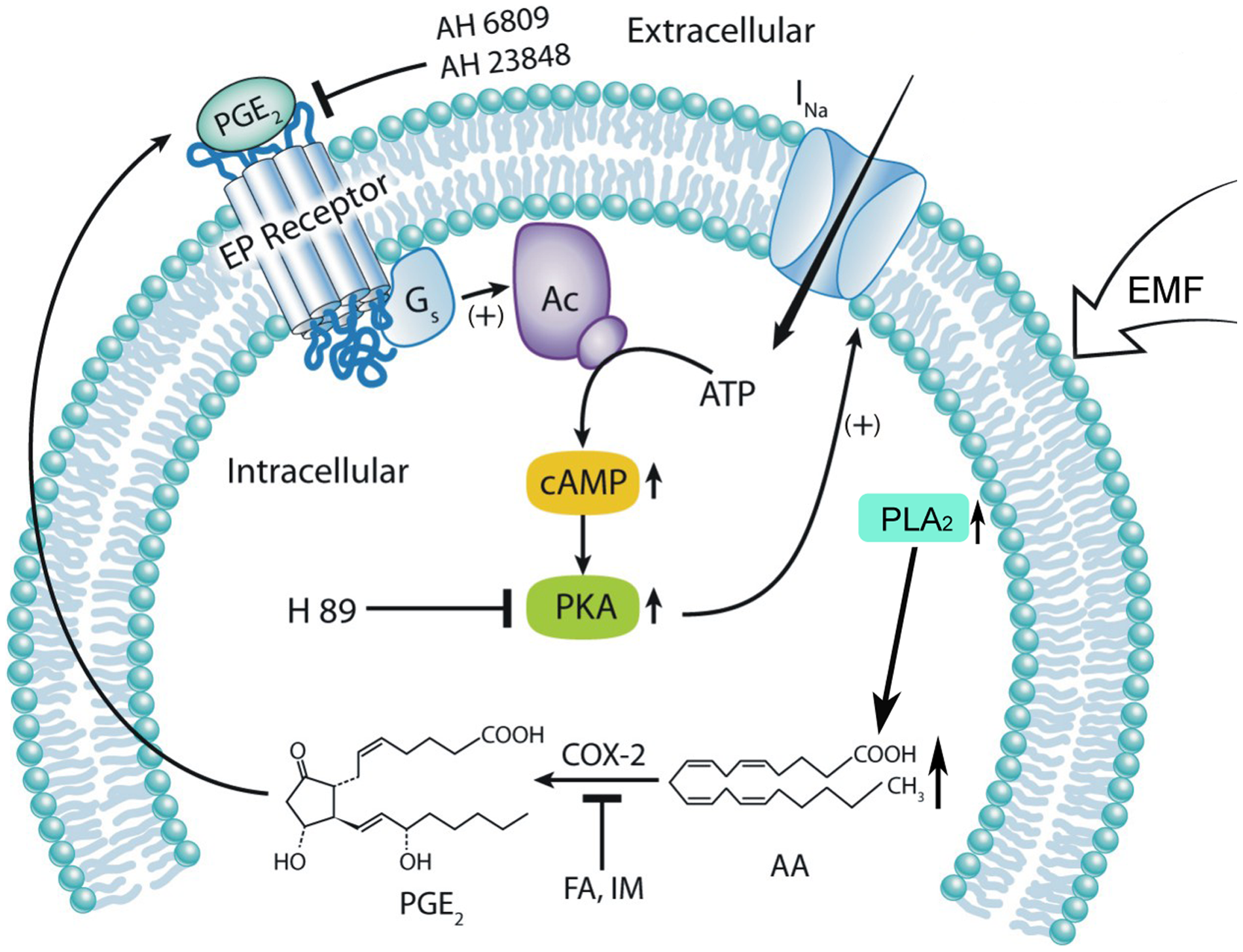
Stimulation of a living object by electromagnetic field initiates this biological process in cells (many other biological effects exist). Scientific article reference: Exposure to extremely low-frequency electromagnetic fields modulates Na+ currents in rat cerebellar granule cells through Increase of AA/PGE2 and EP receptor-mediated cAMP/PKA pathway [archive].
Scientific publication references:
- Article The role of sodium channels in direct current stimulation—axonal perspective [archive];
- Exposure to Extremely Low-Frequency Electromagnetic Fields Modulates Na+ Currents in Rat Cerebellar Granule Cells through Increase of AA/PGE2 and EP Receptor-Mediated cAMP/PKA Pathway [archive];
- Melatonin protects rat cerebellar granule cells against electromagnetic field‐induced increases in Na+ currents through intracellular Ca2+ release [archive].

Electromagnetic field stimulation elicits time-dependent increase of I Na. Scientific article reference: Exposure to extremely low-frequency electromagnetic fields modulates Na+ currents in rat cerebellar granule cells through increase of AA/PGE2 and EP receptor-mediated cAMP/PKA pathway [archive].
VGCC
VGCC (voltage-gated calcium channels) are present in the cells of a living object, which, upon exposure to a weak electromagnetic field, activate rapid Ca2+ influx (as well as nitric oxide, peroxynitrite) into cells. Reference: Voltage-gated calcium channel [archive].
Scientific publication references:
- Electromagnetic fields act via activation of voltage‐gated calcium channels to produce beneficial or adverse effects [archive];
- Full article: Electromagnetic field activation of voltage-gated calcium channels: role in therapeutic effects [archive];
- Microwave frequency electromagnetic fields (EMFs) produce widespread neuropsychiatric effects including depression [archive].

Stimulation of a living object by electromagnetic field initiates this biological process in cells (many other biological effects exist). Scientific publication references: Wi-Fi is an important threat to human health [archive]; Scientific evidence contradicts findings and assumptions of Canadian Safety Panel 6: microwaves act through voltage-gated calcium channel activation to induce biological impacts at non-thermal levels, supporting a paradigm shift for microwave/lower frequency electromagnetic field action [archive].
Kv1.3
Kv1.3 (voltage-gated potassium channels) are present in the cells of a living object. Exposure to a weak electromagnetic field significantly increases Kv1.3 current. References: KCNA3 [archive], Voltage-gated potassium channel [archive]. Scientific article reference: Electromagnetic field affects the voltage-dependent potassium channel Kv1.3 [archive].
CRY2
CRY2 (cryptochrome flavoprotein) is present in the retina of a living object, which, upon exposure to a weak magnetic field, activates neuronal action potential. Reference: Cryptochrome [archive].
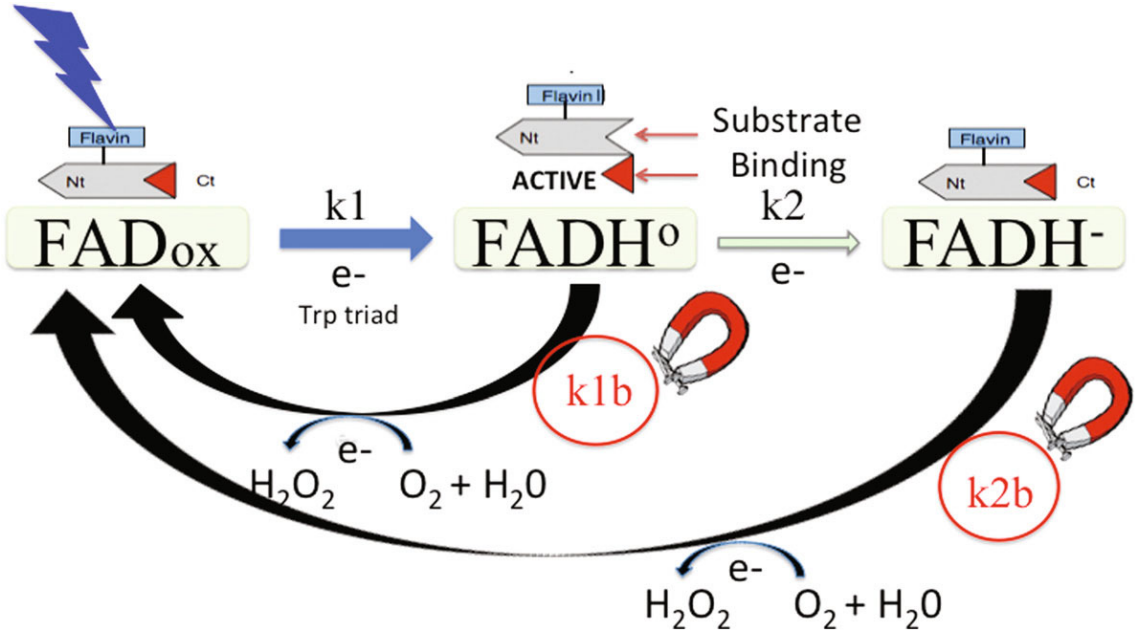
Stimulation of a living object by magnetic field initiates this biological process in cells (many other biological effects exist). Scientific article reference: Cryptochrome mediated magnetic sensitivity in Arabidopsis occurs independently of light-induced electron transfer to the flavin [archive].
Scientific publication references:
- Expression of the Blue-Light Receptor Cryptochrome in the Human Retina [archive];
- Human cryptochrome exhibits light-dependent magnetosensitivity [archive];
- Cryptochrome mediated magnetic sensitivity in Arabidopsis occurs independently of light-induced electron transfer to the flavin [archive];
- Magnetic Fields Modulate Blue-Light-Dependent Regulation of Neuronal Firing by Cryptochrome [archive];
- Cryptochromes—a potential magnetoreceptor: what do we know and what do we want to know? [archive];
- Animal cryptochromes mediate magnetoreception by an unconventional photochemical mechanism [archive].
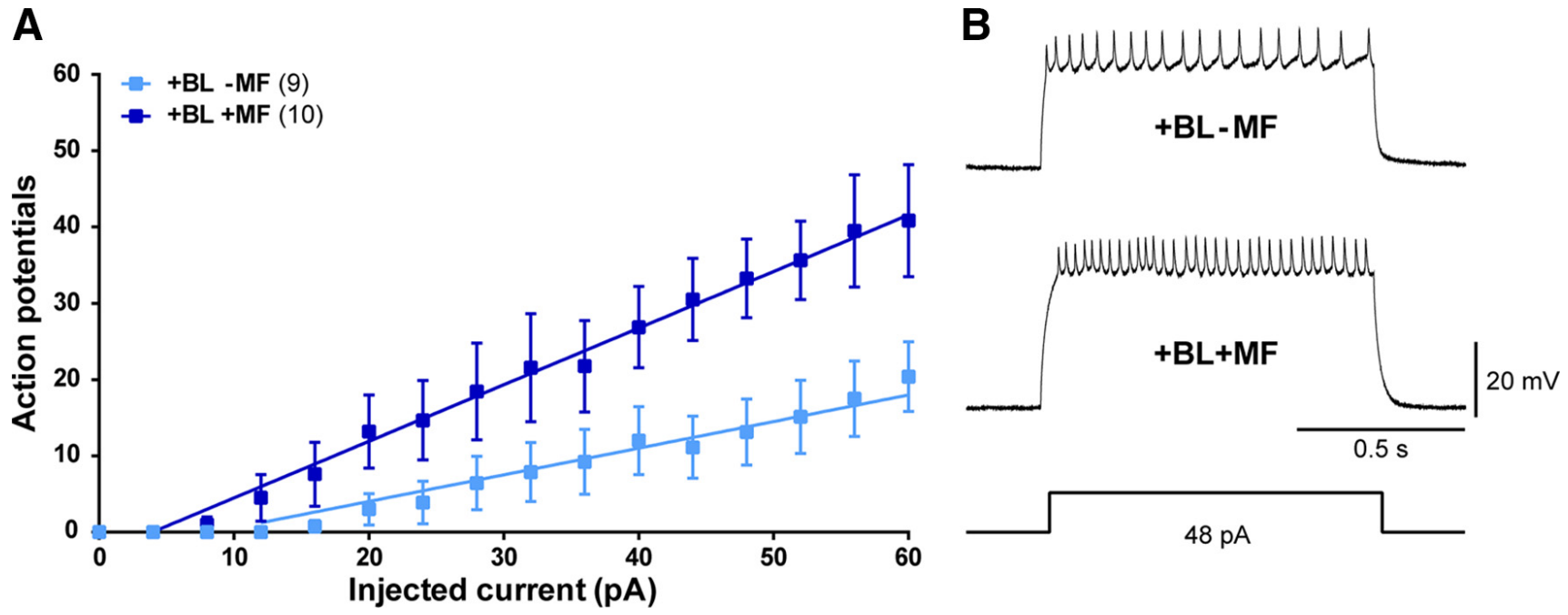
Magnetic field stimulation enhances action potential excitation. Scientific article reference: Magnetic fields modulate blue-light-dependent regulation of neuronal firing by cryptochrome [archive].
GABAA
GABAA (ionotropic receptors, ligand-gated ion channels) are present in the body of a living object, which, when exposed to a weak magnetic field, significantly increase neuronal currents. Reference: GABAA receptor [archive]. Scientific article reference: Exposure to 50 Hz magnetic field modulates GABAA currents in cerebellar granule neurons through an EP receptor-mediated PKC pathway [archive].
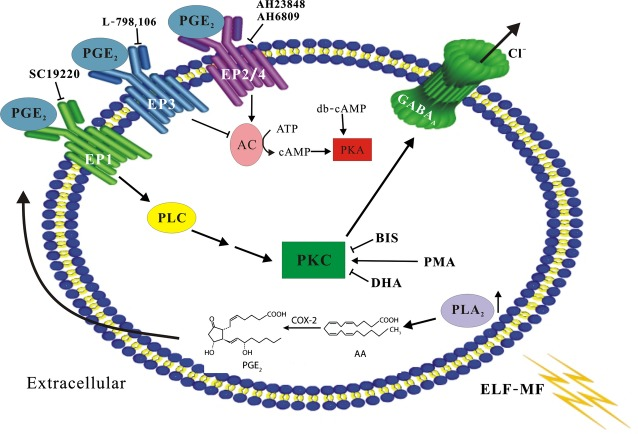
Stimulation of a living object by magnetic field initiates this biological process in cells (many other biological effects exist). Scientific article reference: Exposure to 50 Hz magnetic field modulates GABAA currents in cerebellar granule neurons through an EP receptor-mediated PKC pathway [archive].
TRPV1
TRPV1 (thermosensitive channels) are present in the body of a living object, which, when exposed to a weak electromagnetic field, activate Ca2+ influx into cells. Reference: TRPV1 [archive].
Scientific publication references:
- Activation of the TRPV1 Thermoreceptor Induced by Modulated or Unmodulated 1800 MHz Radiofrequency Field Exposure [archive];
- Long term exposure to cell phone frequencies (900 and 1800 MHz) induces apoptosis, mitochondrial oxidative stress and TRPV1 channel activation in the hippocampus and dorsal root ganglion of rats [archive];
- Cell phone and wireless radiation hazard on TRPV1 channel activation: A Scoping Review study [archive].

Stimulation of a living object by electromagnetic field initiates this biological process in cells (many other biological effects exist). Scientific article reference: Cell phone and wireless radiation hazard on TRPV1 channel activation: A scoping review study [archive].
Other mechanisms of electromagnetic field reception by living objects also exist.
Resonance, entrainment, acceleration
Stimulation of a living object by modulated electromagnetic field elicits resonance and/or entrainment and/or (nonlinear) acceleration of synchronous neuronal activity. References: Stochastic resonance (sensory neurobiology) [archive], Brainwave entrainment [archive].
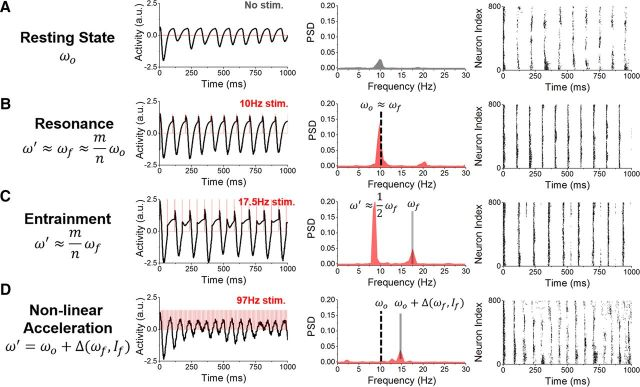
Stimulation of a living object by electromagnetic field (pulsed) initiates a synchronized response in populations of cells (resonance, entrainment, acceleration). Scientific article reference: Shaping intrinsic neural oscillations with periodic stimulation [archive].
Scientific publication references:
- Shaping Intrinsic Neural Oscillations with Periodic Stimulation [archive];
- Article Rhythmic TMS Causes Local Entrainment of Natural Oscillatory Signatures [archive];
- Resonance, oscillation and the intrinsic frequency preferences of neurons [archive];
- Weak electric fields promote resonance in neuronal spiking activity: Analytical results from two-compartment cell and network models [archive];
- Purkinje Cell Activity Resonation Generates Rhythmic Behaviors at the Preferred Frequency of 8 Hz [archive];
- Resonance Properties in Auditory Brainstem Neurons [archive];
- Noise in the nervous system [archive];
- Mechanisms of generation of membrane potential resonance in a neuron with multiple resonant ionic currents [archive];
- The Frequency Preference of Neurons and Synapses in a Recurrent Oscillatory Network [archive];
- Network resonance can be generated independently at distinct levels of neuronal organization [archive];
- Entrainment of Neural Activity Using Transcranial Magnetic Stimulation [archive];
- Entrainment of neural oscillations as a modifiable substrate of attention [archive];
- Neural Entrainment Meets Behavior: The Stability Index as a Neural Outcome Measure of Auditory-Motor Coupling [archive].
Activity pattern
Upon stimulation by modulated electromagnetic field, an electrical activity pattern (including neuronal activity) arises in the body of a living object, producing a bioelectric field that influences its own body (including organs) and extends beyond it. References: Bioelectricity [archive], Electrophysiology [archive], Neural oscillation [archive], Alpha wave [archive], Beta wave [archive], Delta wave [archive], Gamma wave [archive], Mu wave [archive], Theta wave [archive], Sensorimotor rhythm [archive].

Patterns of electrical activity occurring during object observation. Scientific article reference: Low-level image properties of visual objects predict patterns of neural response across category-selective regions of the ventral visual pathway [archive].
Scientific publication references:
- (PDF) Electrical physics within the body [archive];
- Pinging the brain with transcranial magnetic stimulation reveals cortical reactivity in time and space [archive];
- Low-Level Image Properties of Visual Objects Predict Patterns of Neural Response across Category-Selective Regions of the Ventral Visual Pathway [archive];
- Brain activity during observation and motor imagery of different balance tasks: An fMRI study [archive];
- Dynamic Reorganization of Neuronal Activity Patterns in Parietal Cortex [archive];
- Distinct distributed patterns of neural activity are associated with two languages in the bilingual brain [archive];
- Different Patterns of Neural Activity Characterize Motor Skill Performance During Acquisition and Retention [archive];
- New neural activity patterns emerge with long-term learning [archive];
- Neural Activity Patterns in the Human Brain Reflect Tactile Stickiness Perception [archive];
- Brain Computation Is Organized via Power-of-Two-Based Permutation Logic [archive];
- Neural activity in human visual cortex is transformed by learning real world size [archive];
- Modulation of Neural Activity during Object Naming: Effects of Time and Practice [archive];
- Overlapping patterns of neural activity for different forms of novelty in fMRI [archive];
- Beyond Shape: How You Learn about Objects Affects How They Are Represented in Visual Cortex [archive];
- Neuromodulation of Brain State and Behavior [archive];
- Brain-to-brain communication: the possible role of brain electromagnetic fields (As a Potential Hypothesis) [archive];
- Measuring Electromagnetic Field Activity Generated by Neurons In Vivo by Humans With Thoughts of Repetitive Motor Activities and Emotional Thoughts [archive];
- Endogenous Electric Fields May Guide Neocortical Network Activity [archive];
- Endogenous and exogenous electric fields as modifiers of brain activity: rational design of noninvasive brain stimulation with transcranial alternating current stimulation [archive];
- Modeling of inhomogeneous electromagnetic fields in the nervous system: a novel paradigm in understanding cell interactions, disease etiology and therapy [archive];
- Cardiac torsion and electromagnetic fields: the cardiac bioinformation hypothesis [archive];
- Measuring the Electromagnetic Field of the Human Brain at a Distance Using a Shielded Electromagnetic Field Channel [archive];
- Neurobiologists Find that Weak Electrical Fields in the Brain Help Neurons Fire Together [archive];
- Sensitivity of Neurons to Weak Electric Fields [archive];
- Can Neural Activity Propagate by Endogenous Electrical Field? [archive];
- (PDF) Transcranial Electric Stimulation Entrains Cortical Neuronal Populations in Rats [archive];
- The Effect of Spatially Inhomogeneous Extracellular Electric Fields on Neurons [archive];
- Endogenous electric fields as guiding cue for cell migration [archive];
- Effects of weak electric fields on the activity of neurons and neuronal networks [archive];
- Spatially distributed computation in cortical circuits [archive];
- Article Cortical Membrane Potential Signature of Optimal States for Sensory Signal Detection [archive].

Neuronal activity pattern constantly changes (neuronal activity stimulation changes behavior as well). Scientific article reference: Neuromodulation of brain state and behavior [archive].
Neuronal code
Upon stimulation of a living object by modulated electromagnetic field, action potentials are activated, the rate and/or frequency of action potentials increase/decrease, action potentials are distributed over time, shifted in phase, intervals are maintained between action potentials, action potentials are distributed across populations (types), and more — thereby activating a neuronal code that initiates the required reaction (or part of the reaction). Reference: Neural coding [archive].
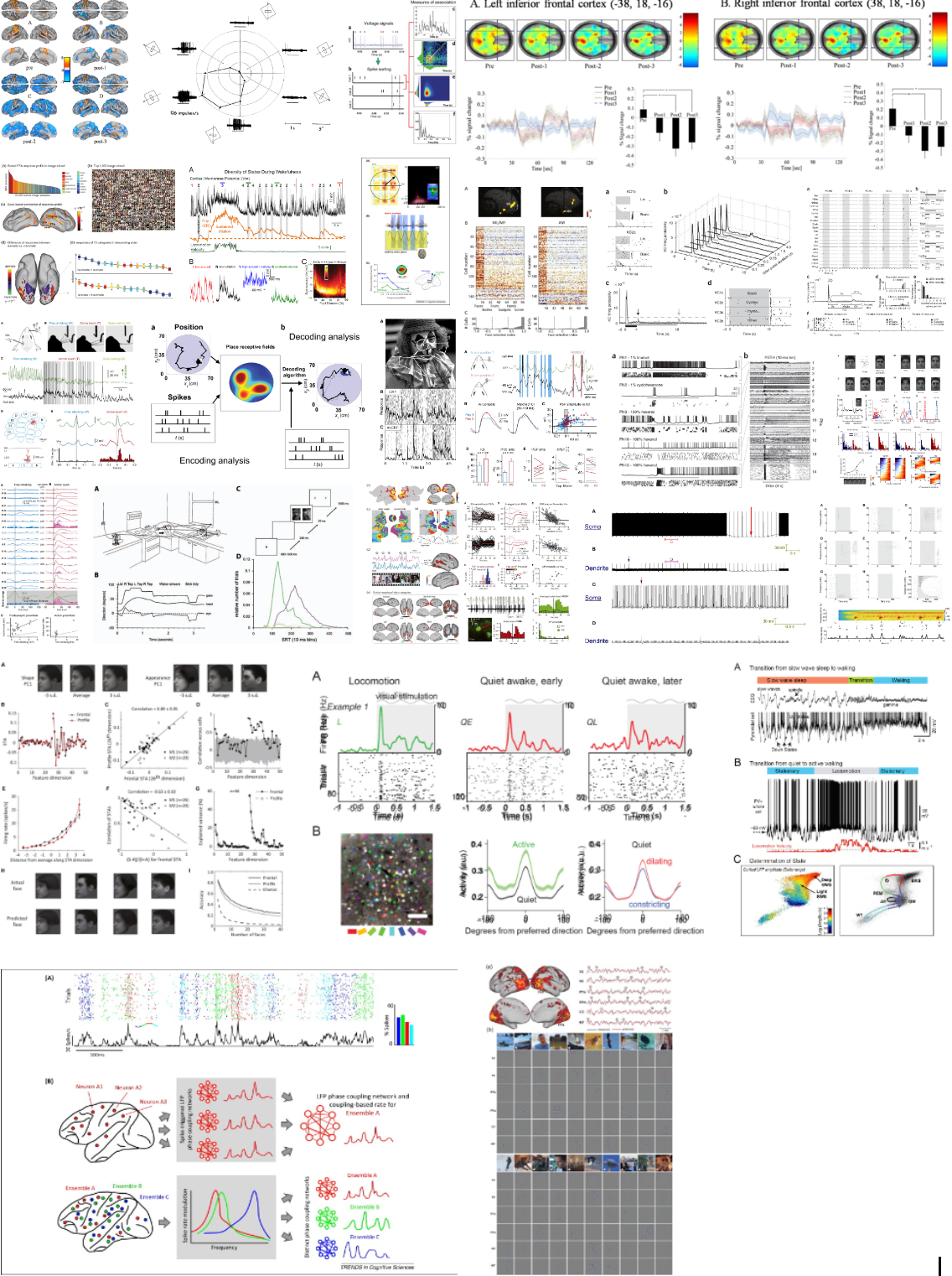
Neural coding of a living object produced via various stimuli, including electromagnetic field.
Scientific publication references:
- Neuromodulatory effects of offline low-frequency repetitive transcranial magnetic stimulation of the motor cortex: A functional magnetic resonance imaging study [archive];
- Neural coding using telegraphic switching of magnetic tunnel junction [archive];
- The effect of an exogenous magnetic field on neural coding in deep spiking neural networks [archive];
- Research on Neural Information Coding of Spiking Neural Network Based on Synaptic Plasticity Under AC Electric Field Stimulation [archive];
- Neural Coding: Neuron (mini-review) [archive];
- Multiple neural spike train data analysis: state-of-the-art and future challenges [archive];
- Spike arrival times: A highly efficient coding scheme for neural networks [archive];
- Rapid Neural Coding in the Retina with Relative Spike Latencies [archive];
- A consensus layer V pyramidal neuron can sustain interpulse-interval coding [archive];
- Intracellular calcium dynamics permit a Purkinje neuron model to perform toggle and gain computations upon its inputs [archive];
- The sodium-potassium pump is an information processing element in brain computation [archive];
- Phase-of-Firing Coding of Natural Visual Stimuli in Primary Visual Cortex [archive];
- The gamma cycle [archive];
- Functional properties of neurons in middle temporal visual area of the macaque monkey. I. Selectivity for stimulus direction, speed, and orientation [archive];
- Correlations and the encoding of information in the nervous system [archive];
- Primary cortical representation of sounds by the coordination of action-potential timing [archive];
- Sparse Coding and Decorrelation in Primary Visual Cortex During Natural Vision [archive];
- A network that uses few active neurones to code visual input predicts the diverse shapes of cortical receptive fields [archive];
- Sparse Representation of Sounds in the Unanesthetized Auditory Cortex [archive];
- Synaptic Mechanisms Underlying Sparse Coding of Active Touch [archive];
- Sparse odor representation and olfactory learning [archive];
- T2FSNN: Deep Spiking Neural Networks with Time-to-first-spike Coding [archive];
- Throwing a glance at the neural code: Rapid information transmission in the visual system [archive];
- Article The Code for Facial Identity in the Primate Brain [archive];
- Waking State: Rapid Variations Modulate Neural and Behavioral Responses [archive];
- Differentially synchronized spiking enables multiplexed neural coding [archive];
- Neural population coding: combining insights from microscopic and mass signals [archive];
- Population Coding and Decoding in a Neural Field: A Computational Study [archive];
- Temporal encoding in nervous systems: A rigorous definition [archive];
- Neural Encoding and Decoding with Deep Learning for Dynamic Natural Vision [archive];
- A neural basis of probabilistic computation in visual cortex [archive];
- Analyzing time-to-first-spike coding schemes: A theoretical approach [archive];
- [Lecture] Principles of Neural Coding [archive].
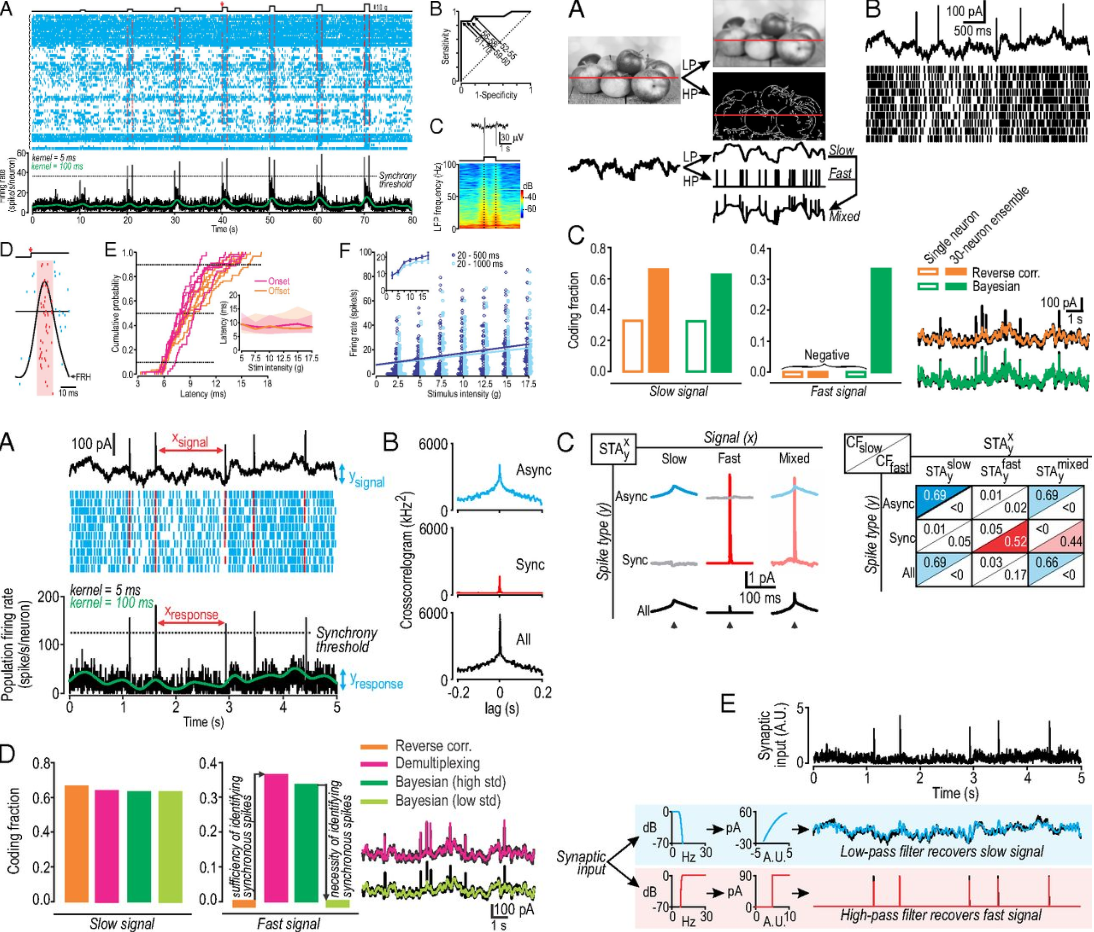
Multiplexed neuronal coding. Scientific article reference: Differentially synchronized spiking enables multiplexed neural coding [archive].
Initiation of reaction
Initiation of reaction:
1. A modulated electromagnetic signal creates a modulated electromagnetic field around a living object (with required frequency, phase, amplitude, signal, power, speed, number of embedded modulated signals, number of overlaid modulated signals, time, and other parameters);
2. The electric component of the field stimulates the complex «ferritin, magnetite, Kir4.2, VGSC, VGCC, Kv1.3, TRPV1, and others» in the external tissues of the living object;
3. The magnetic component of the field induces an electric field, stimulating the complex «ferritin, magnetite, Kir4.2, VGSC, VGCC, Kv1.3, CRY2, GABAA, TRPV1, and others» in the external and internal tissues of the living object;
4. Simultaneous stimulation of the entire complex «ferritin, magnetite, Kir4.2, VGSC, VGCC, Kv1.3, CRY2, GABAA, TRPV1, and others» initiates oscillations (including resonance, entrainment, acceleration) and elicits a pattern of electrical activity in the cells of the living object (as during the reaction);
5. The pattern of electrical activity in the cells of the living object activates the neuronal code and initiates the reaction of the living object (microreaction from 0.001 seconds);
6. Each new pattern of electrical activity changes (shifts) the neuronal code, controlling the reaction of the living object.
Additionally
pH Sensitivity

Impact of pH (left to right): on Fe(II) autooxidation; on sensitivity of Kir4.2 and Kir4.2-Kir5.1 channels; on Kv1.3 inactivation kinetics and current amplitude; on voltage dependence of GABA response. Scientific publication references: Ferroxidase activity of ferritin: effects of pH, buffer and Fe(II) and Fe(III) concentrations on Fe(II) autoxidation and ferroxidation [archive]; Differential pH sensitivity of Kir4.1 and Kir4.2 potassium channels and their modulation by heteropolymerisation with Kir5.1 [archive]; pH-dependent modulation of Kv1.3 inactivation: role of His399 [archive]; The voltage dependence of GABAA receptor gating depends on extracellular pH [archive].
Scientific article references:
- A Study of the Mechanism of Ferritin Formation [archive];
- pH-depended protein shell dis- and reassembly of ferritin nanoparticles revealed by atomic force microscopy [archive];
- pH-Dependent Structures of Ferritin and Apoferritin in Solution: Disassembly and Reassembly [archive];
- Structural Change of Apoferritin as the Effect of pH Change: DLS and SANS Study [archive];
- A kinetic study of the mechanism of ferritin formation: the effects of buffer, of pH, and of the iron content of the molecule [archive];
- Ferroxidase activity of ferritin: effects of pH, buffer and Fe(II) and Fe(III) concentrations on Fe(II) autoxidation and ferroxidation [archive];
- Inwardly rectifying potassium channel 5.1: Structure, function, and possible roles in diseases [archive];
- Modulation of Kir4.2 rectification properties and pHi-sensitive run-down by association with Kir5.1 [archive];
- Differential pH sensitivity of Kir4.1 and Kir4.2 potassium channels and their modulation by heteropolymerisation with Kir5.1 [archive];
- pH-dependent modulation of Kv1.3 inactivation: role of His399 [archive];
- The voltage dependence of GABAA receptor gating depends on extracellular pH [archive].
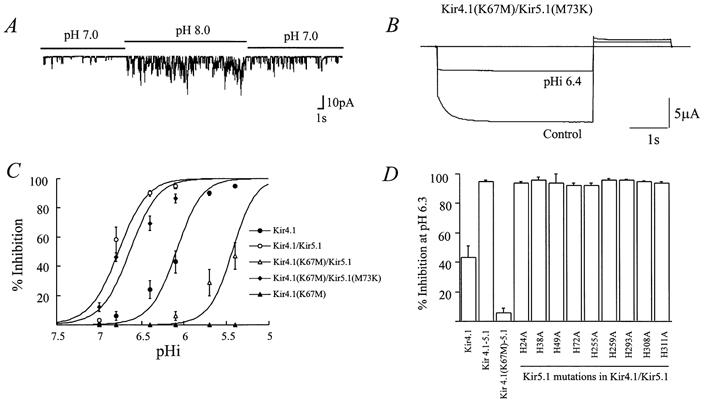
Example of Kir4.1-Kir5.1 channel activity modulation by acidification/alkalinization. Scientific article reference: Differential pH sensitivity of Kir4.1 and Kir4.2 potassium channels and their modulation by heteropolymerisation with Kir5.1 [archive].
Nanoparticles
Sensitivity of living objects to electromagnetic fields is increased by nanoparticles entering with air, food (including additives), drinks, cosmetics, medications (including injections), and others. References: Nanoparticle [archive], Magnetic nanoparticles [archive].
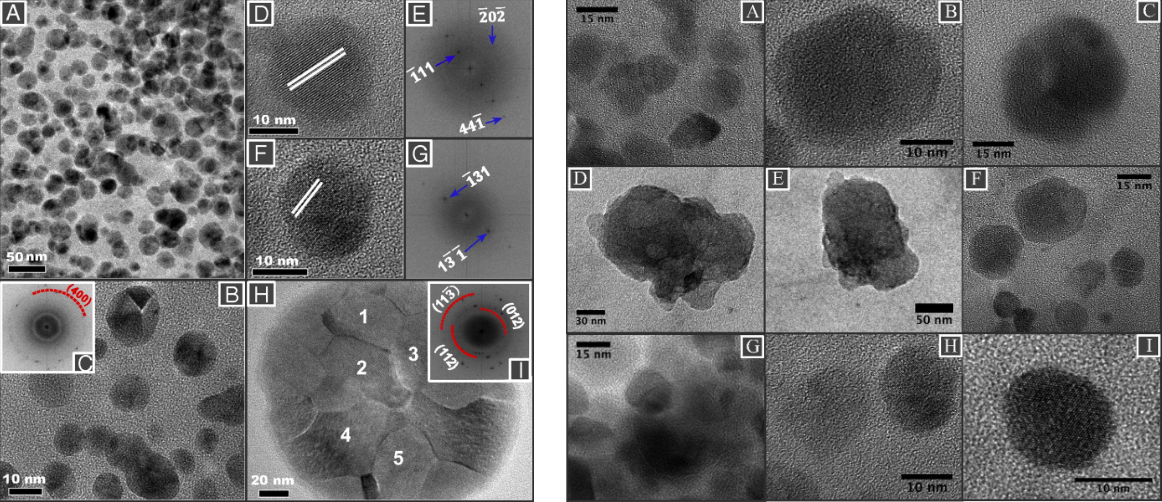
Nanoparticles extracted from human brain. Scientific article reference: Magnetite pollution nanoparticles in the human brain [archive].
Scientific publication references:
- Magnetite in the human body: Biogenic vs. anthropogenic [archive];
- In Vivo Wireless Brain Stimulation via Non-invasive and Targeted Delivery of Magnetoelectric Nanoparticles [archive];
- Magnetogenetics: remote activation of cellular functions triggered by magnetic switches [archive];
- (PDF) Wireless Magnetothermal Deep Brain Stimulation [archive];
- Nanoparticles in your food? You're already eating them [archive];
- What are Nanoparticles and Why are They in Our Food? [archive];
- Magnetite pollution nanoparticles in the human brain [archive];
- Influence of nanoparticles on food: An analytical assessment [archive];
- Application of Nanotechnology in Food Science: Perception and Overview [archive];
- Is nano safe in foods? Establishing the factors impacting the gastrointestinal fate and toxicity of organic and inorganic food-grade nanoparticles [archive];
- Effects of Silver Nanoparticles on the Liver and Hepatocytes In Vitro [archive];
- Detection of graphene in COVID-19 vaccines using Micro-RAMAN spectroscopy [archive];
- Genetically magnetic control of neural system via TRPV4 activation with magnetic nanoparticles [archive];
- Wireless neuromodulation in vitro and in vivo by intrinsic TRPC-mediated magnetomechanical stimulation [archive];
- With Magnetic Nanoparticles, Scientists Remotely Control Neurons and Animal Behavior [archive];
- (PDF) Remote control of ion channels and neurons through magnetic-field heating of nanoparticles [archive].

Application of magnetic field and nanoparticles for stimulation of living object’s brain. Patent reference: US9669232B2 — Method for non-invasive brain stimulation [archive].
Patent references:
- US9669232B2 — Method for non-invasive brain stimulation [archive];
- US10786570B2 — Ferritin nanoparticle compositions and methods to modulate cell activity [archive];
- JP2020504732A — Nanoparticles for use in enhancing brain activity or for treating stress [archive];
- CN112220919A — Nano coronavirus recombinant vaccine taking graphene oxide as carrier [archive].
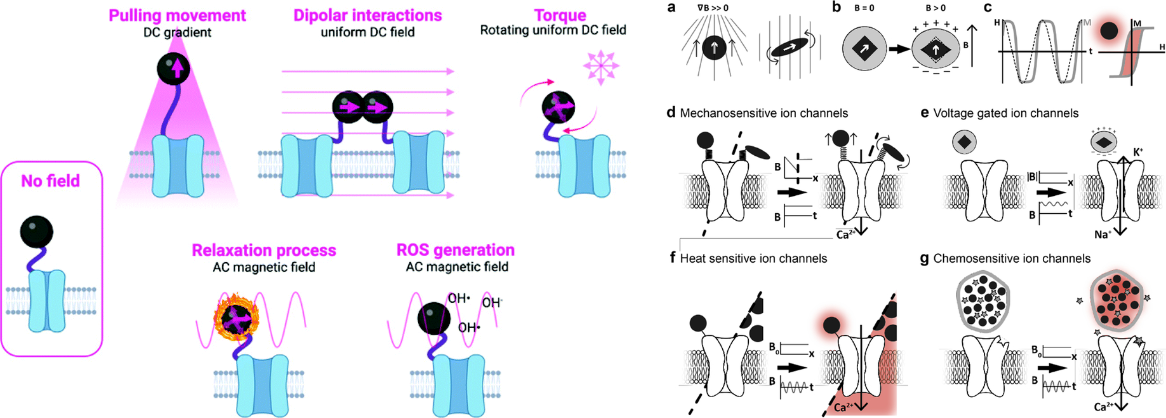
Application of electromagnetic field and magnetic nanoparticles for neuron stimulation. Scientific article references: Magnetogenetics: remote activation of cellular functions triggered by magnetic switches [archive]; Magnetic strategies for nervous system control [archive].

Stimulation of a living object by electromagnetic field with internal nanoparticles allows faster initiation of biological processes in cells. Scientific article reference: Magnetogenetics: remote activation of cellular functions triggered by magnetic switches [archive].
G-modification
Sensitivity of living objects to electromagnetic fields is also increased by genetic modification of cells performed via magnetofection using magnetic nanoparticles. References: Genetic engineering [archive], Magnetofection [archive], Magnetic nanoparticles [archive].

Magnetofection two hours after administration. Scientific article reference: Magnetofection in vivo by nanomagnetic carriers systemically administered into the bloodstream [archive].
Scientific publication references:
- The evaluation of hyperferritinemia: an updated strategy based on advances in detecting genetic abnormalities [archive];
- Magnetically enhanced nucleic acid delivery. Ten years of magnetofection—Progress and prospects [archive];
- Medicated Nanoparticle for Gene Delivery [archive];
- Magnetofection In Vivo by Nanomagnetic Carriers Systemically Administered into the Bloodstream [archive];
- Efficient and Safe Gene Delivery to Human Corneal Endothelium Using Magnetic Nanoparticles [archive].

Magnetofection using magnetic nanoparticles (plasmid DNA is bound to magnetic nanoparticles that are directed, attracted, and concentrated on the cell membrane surface where, via endocytosis, nanoparticles enter the cell). Scientific article reference: Magnetofection in vivo by nanomagnetic carriers systemically administered into the bloodstream [archive].
Items
When a living object is exposed to an electromagnetic field, clothing with nanoparticles, metallic elements, electronic devices, dental fillings (with electrically conductive nanoparticles), implants (including dental), and other items amplify the electromagnetic field around the living object. Reference: Nanofabrics [archive].
Scientific publication references:

Nanoparticles used in dentistry. Scientific publication reference: Nanoparticles used in dentistry: A review [archive].